
Navigating the Aging Farmer Crisis in America: Challenges and Solutions for Future Generations
The face of American agriculture is changing, and not in a way that promises easy solutions. Farmers across the country are aging, with fewer young people stepping into the fields. This shift threatens the future of farming, a vital industry that feeds the nation and supports rural communities. The reasons behind this trend are complex, involving rising costs, labor shortages, and the demanding nature of farm work. Understanding these challenges is essential to finding ways to support current farmers and encourage new generations to take up the mantle.
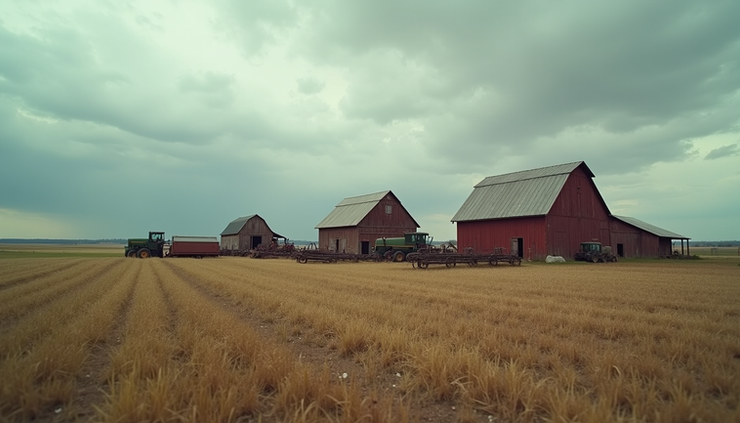
The Reality of an Aging Farming Population
The average age of farmers in the United States has steadily increased over the past few decades. According to the USDA Census of Agriculture, the average age was 57.5 years in 2017, up from 50 years in 1982. This means many farmers are nearing retirement, and fewer young people are entering the profession. Several factors contribute to this trend:
High startup costs: Buying land, equipment, and supplies requires significant capital. Young people often face financial barriers that discourage them from starting farms.
Labor intensity: Farming demands long hours and physical labor, which can be daunting for younger generations seeking different lifestyles.
Uncertain income: Market prices, weather, and other variables make farming financially risky, deterring those who want stable earnings.
Lack of succession planning: Many older farmers do not have clear plans to pass their farms to younger family members or new farmers.
This combination creates a cycle where farms consolidate under fewer hands, and rural communities face economic decline.
Why Fewer Young People Choose Farming
The challenges of farming today go beyond the physical work. Young people often weigh the lifestyle and economic realities before committing to a career in agriculture. Some reasons they hesitate include:
Debt burden: Student loans and the high cost of land make it difficult to invest in farming.
Limited access to land: Farmland prices have increased, and available land is scarce.
Technological gap: While technology can improve efficiency, it requires knowledge and investment that may be out of reach.
Perceived lack of support: Young farmers may feel isolated or unsupported by policies and community networks.
For example, a young farmer in Iowa shared that despite having a family farm background, the cost of modern machinery and land taxes made it impossible to expand or even maintain the farm without outside help.
The Impact on Food Production and Rural Communities
The aging farmer crisis affects more than just individual farms. It has broader implications:
Food security risks: Fewer farmers could mean less food production diversity and resilience.
Loss of knowledge: Experienced farmers hold valuable knowledge about sustainable practices and local ecosystems.
Economic decline: Rural towns depend on farming for jobs and commerce. Declining farms can lead to fewer services and population loss.
Environmental concerns: Abandoned or poorly managed land can lead to soil degradation and loss of biodiversity.
These consequences highlight the urgency of addressing the crisis.
Practical Solutions to Support Aging Farmers and Attract New Ones
Addressing the aging farmer crisis requires coordinated efforts from policymakers, communities, and individuals. Some promising approaches include:
Financial Support and Incentives
Grants and low-interest loans for young farmers to buy land and equipment.
Tax incentives for farm succession and land transfers within families.
Subsidies for adopting sustainable and efficient farming technologies.
Education and Training
Agricultural education programs in schools and universities that focus on modern farming techniques.
Mentorship programs pairing experienced farmers with newcomers.
Workshops on business management to help farmers navigate finances and marketing.
Community and Policy Initiatives
Local food networks that connect farmers directly with consumers, improving income stability.
Land access programs that lease or sell land to young farmers at affordable rates.
Labor support through seasonal worker programs or cooperative labor sharing.
Technology and Innovation
Precision agriculture tools that reduce labor and increase yields.
Online platforms for knowledge sharing and market access.
Renewable energy projects on farms to reduce costs and environmental impact.
Examples of Success
Some communities have already made strides in tackling these issues. In Vermont, a program called the Young Farmer Network offers resources and advocacy for new farmers. They provide workshops, legal advice, and connect farmers with landowners willing to lease land. This has helped several young farmers start or expand their operations.
In California, cooperative farming models allow groups of young farmers to share equipment and labor, reducing individual costs and workload. These models foster collaboration and community resilience.
What Can You Do to Help?
Whether you live in a rural area or a city, supporting the future of farming matters. Here are some ways to get involved:
Buy local produce to support small and family farms.
Advocate for policies that help young farmers access land and capital.
Volunteer or donate to organizations that provide training and resources.
Spread awareness about the aging farmer crisis and its impact on food systems.
By taking small steps, individuals can contribute to a stronger, more sustainable agricultural future.


Comments